Septic tanks, soakaways and land drainage
Soakaways: installation and repairs
£600 to £2,500 is the typical price to have a soakaway installed. A small one for a single downpipe costs less, and a large or driveway system costs more. Clearing a silted soakaway is usually a smaller job.
Post your drain job to Premium membersTell us about your job once. Premium drain specialists who cover your area can then contact you.Describe your job
What this covers
What it costs. Installing a soakaway usually costs £600 to £2,500. Full cost breakdown.
What the job covers
- Installing a soakaway for a downpipe or drain
- Digging out and replacing a failed soakaway
- Clearing a silted or blocked soakaway
- Fitting a crate soakaway
- Soil percolation testing before the work
Worth knowing
England
In England, Approved Document H says infiltration devices such as soakaways should not be built within 5 metres of a building or road, or in areas of unstable land. It also says soakaways should not be built where the water table reaches the bottom of the device at any time of year.
HM Government, Approved Document H: Drainage and waste disposal (2015 edition), gov.uk/government/publications/drainage-and-waste-disposal-approved-document-h
What is involved
A soakaway is an underground pit that takes rainwater from a roof or a paved area and lets it drain slowly into the ground. Older ones are holes filled with rubble. Many modern ones use plastic crates instead. A soakaway is used where there is no mains drain for rainwater, or where a household wants to keep the water out of the sewer.
A drain specialist or groundworks firm digs the pit, lines it with a membrane (a sheet that keeps soil out), sets the crates or rubble in place, connects the downpipe or drain and covers it over. Before the work, a percolation test (a test of how quickly water drains away through the soil) shows whether the ground suits a soakaway. Approved Document H, the official guidance on the Building Regulations for drainage, says soakaways should not be built within 5 metres of a building or road, or in areas of unstable land, and not where the water table reaches the bottom of the device at any time of year. Over time soakaways can fill with silt and stop draining, and then they may be cleared or replaced.
The price depends on the size of the soakaway, how many downpipes feed it, the soil, how easy the site is to dig and whether a skip is needed for the soil. A small soakaway for one downpipe costs least, and a large one for a driveway costs most. Guides differ, and one gives higher prices for gardens than the others.
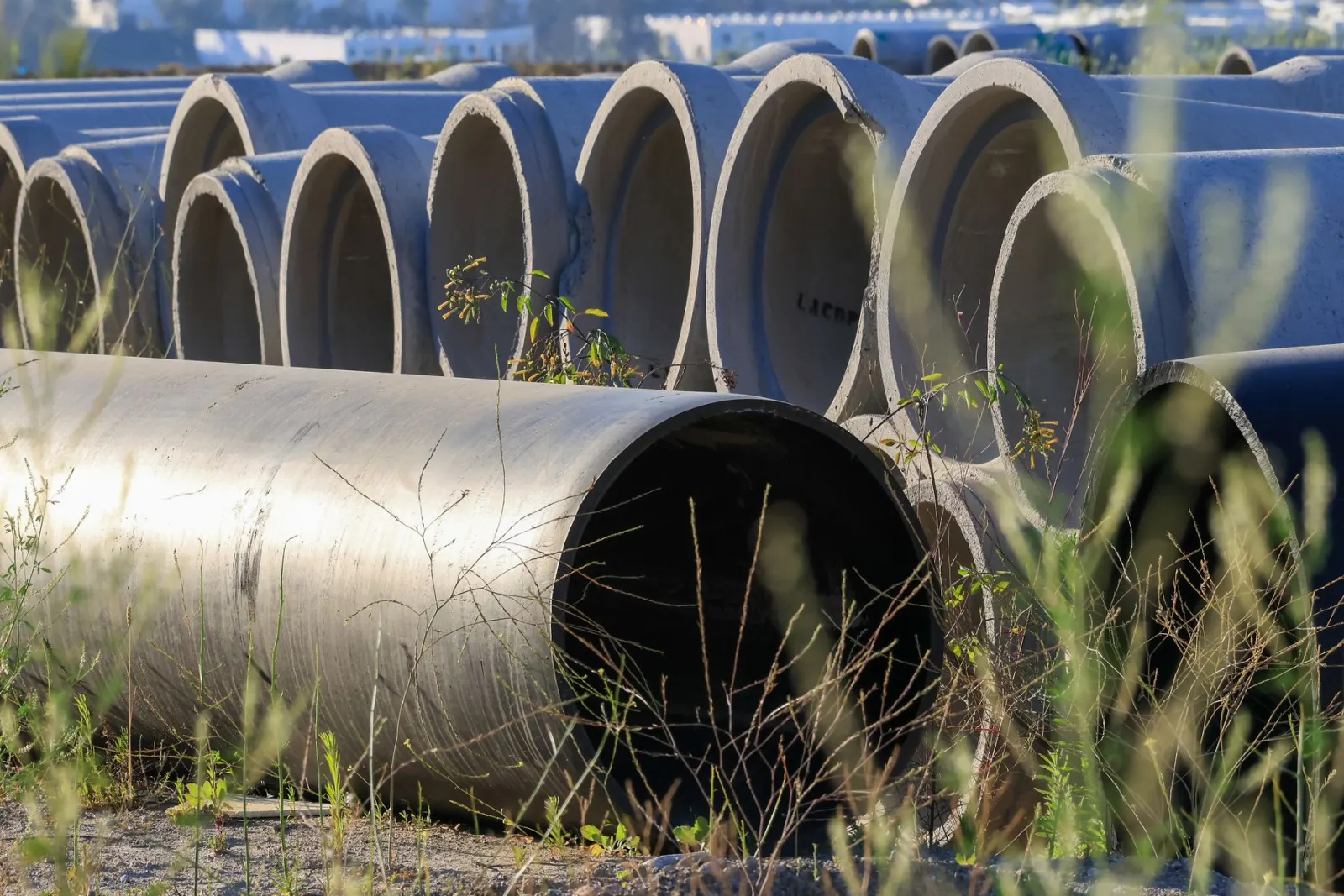
Installing a soakaway for a downpipe or drain, one of the jobs a drain specialist is hired for.
Choosing someone for the job
Ask whether the price includes the percolation test, the digging, taking away the soil and connecting the pipes. Ask how big the soakaway will be and what size of roof or paved area it serves. Ask how far it will be from the house and the boundary. Ask for a written quote.
Worth reading first:
Related jobs:
Common questions
What is a soakaway?
It is an underground pit filled with rubble or plastic crates that takes rainwater and lets it drain slowly into the ground. It is often fed by a downpipe or by a drain from a paved area.
How do I know if my soakaway is blocked?
Puddles forming near a downpipe, water overflowing from a gully or a manhole, or damp patches near the house can be signs. A drain specialist can look at the soakaway and the pipes that run to it.
How close can a soakaway be to a house?
In England, Approved Document H says soakaways should not be built within 5 metres of a building or road, or in areas of unstable land. It also says not where the water table reaches the bottom of the device at any time of year. A percolation test and a look at the plot help decide.
Can a blocked soakaway be cleared?
Sometimes. A silted soakaway may be cleared by jetting (a high-pressure water hose) or by digging out the silt. If it has failed completely, it may need replacing, which costs more.