Septic tanks, soakaways and land drainage
Septic tank installation and treatment plants
£4,000 to £6,000 is the typical price to install a septic tank, and £6,000 to £12,000 for a small sewage treatment plant. A tank with a drainage field built from scratch can cost up to £12,000. The soil and the size of the household affect the price.
Post your drain job to Premium membersTell us about your job once. Premium drain specialists who cover your area can then contact you.Describe your job
What this covers
What it costs. Installing a septic tank usually costs £4,000 to £6,000, and up to £12,000 with a drainage field built from scratch. Full cost breakdown.
What the job covers
- Installing a septic tank
- Installing a small sewage treatment plant
- Building a drainage field for the tank to drain into
- Replacing an old tank or upgrading it to a treatment plant
- Soil percolation testing before the work
Worth knowing
England
In England, the Environment Agency says that if a septic tank discharges directly to a surface water such as a river or stream, you should act as soon as possible, usually within about 12 months. Its options are to connect to a public foul sewer, replace the tank with a small sewage treatment plant, or install a drainage field. It says you do not need a permit if you meet all the general binding rules that apply to you.
Environment Agency, General binding rules: small sewage discharge to a surface water, gov.uk/guidance/general-binding-rules-small-sewage-discharge-to-a-surface-water
What is involved
A septic tank is an underground tank that collects waste water from a home that is not on the mains sewer. A small sewage treatment plant does the same job but treats the waste further before it leaves. Either one needs somewhere for the liquid to go, usually a drainage field, which is a set of buried pipes that spread the liquid into the soil. A drain specialist or groundworks firm digs out the ground, sets the tank or plant in place, connects the pipes and lays the drainage field.
Before the work, the soil is often tested. A percolation test (a test that measures how quickly water drains away through the soil) shows whether a drainage field will work on the plot. Approved Document H, the official guidance on the Building Regulations for drainage, says a drainage field or mound should be at least 10 metres from any watercourse, at least 50 metres from a groundwater supply and at least 15 metres from any building. In England, the Planning Portal says the Building Regulations apply to all non-mains foul drainage, including septic tank outlets and drainage fields. In England, the Environment Agency says that if a septic tank discharges straight to a river or stream, you should act as soon as possible, usually within about 12 months, by connecting to a public sewer, replacing it with a treatment plant or adding a drainage field. In Wales, Natural Resources Wales says owners should register their system with it.
The price depends on the size of the tank or plant, the number of people in the home, the soil, how easy the site is to dig and whether a drainage field is needed. Guides differ, and one gives higher prices for treatment plants than the others.
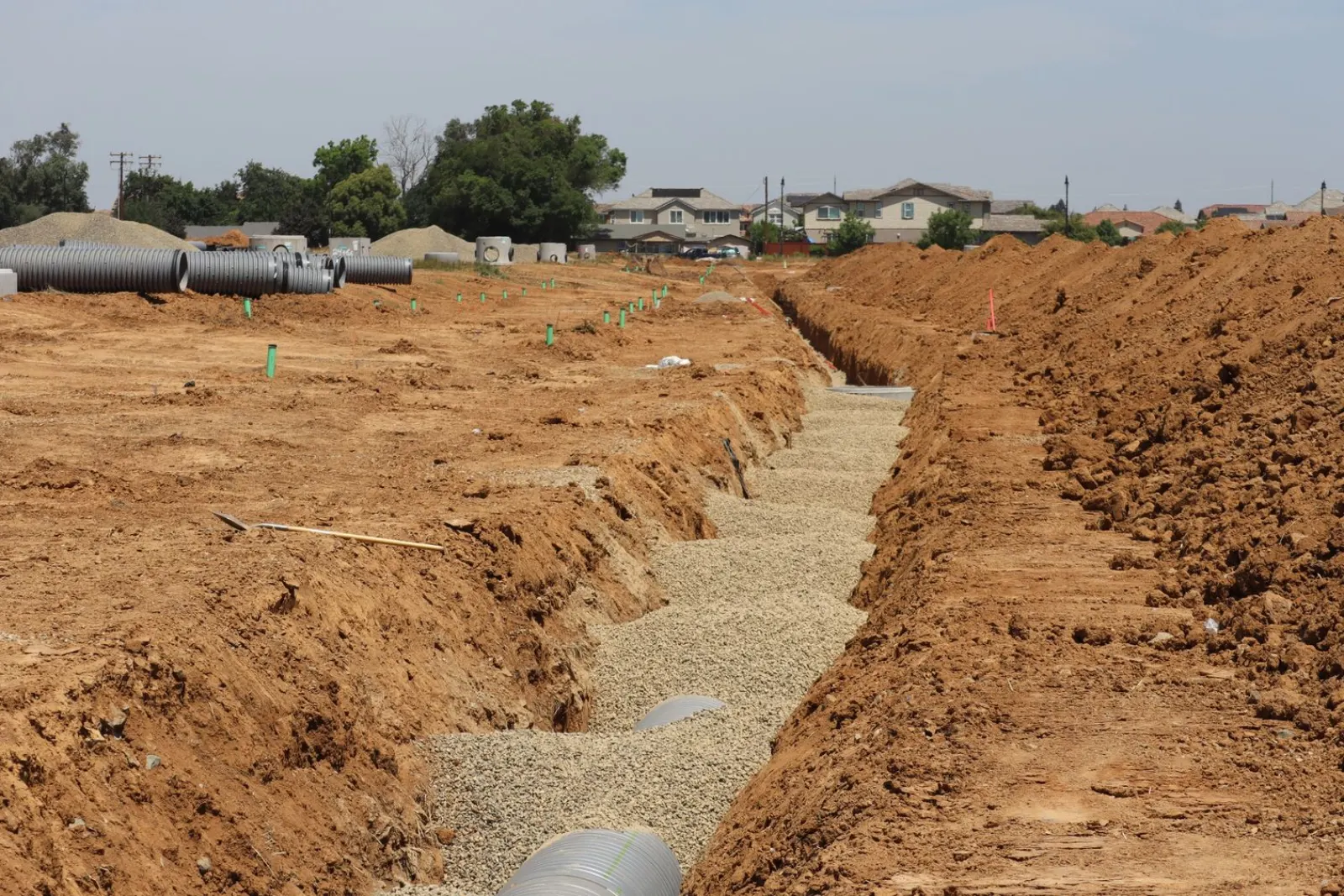
Installing a septic tank, one of the jobs a drain specialist is hired for.
Choosing someone for the job
Ask whether the price includes the tank or plant, the drainage field, the soil test and the paperwork. Ask who deals with Building Regulations approval. Ask what size of tank or plant they suggest for your household, and why. Ask how they will leave the ground when the work is done. Ask for a written quote with each part listed.
Worth reading first:
Related jobs:
Common questions
Do I need approval to install a septic tank?
In England, the Planning Portal says the Building Regulations apply to all non-mains foul drainage, including septic tank outlets and drainage fields. Ask the drain specialist who will deal with approval, and check with your local council. In Wales, Natural Resources Wales says owners should register a septic tank or treatment plant with it.
What is a septic tank and what is a sewage treatment plant?
A septic tank holds waste and lets the liquid flow away to a drainage field. A small sewage treatment plant treats the waste further before it leaves, and is the option the Environment Agency lists when replacing a tank that drains straight to a river or stream. Which suits you depends on your site.
What is a percolation test?
It is a soil test that shows how quickly water drains away through the ground. It helps decide whether a drainage field is suitable on the plot, and where it can go.
How far must a drainage field be from a house?
In England, Approved Document H says a drainage field or mound should be at least 10 metres from any watercourse, at least 50 metres from a groundwater supply and at least 15 metres from any building. A drain specialist can check your plot against this.