Guide
What is a soakaway and how does it work?
A soakaway lets rainwater from your roof or paving drain slowly into the ground. Here is how one works, where it can go, and what to watch for.
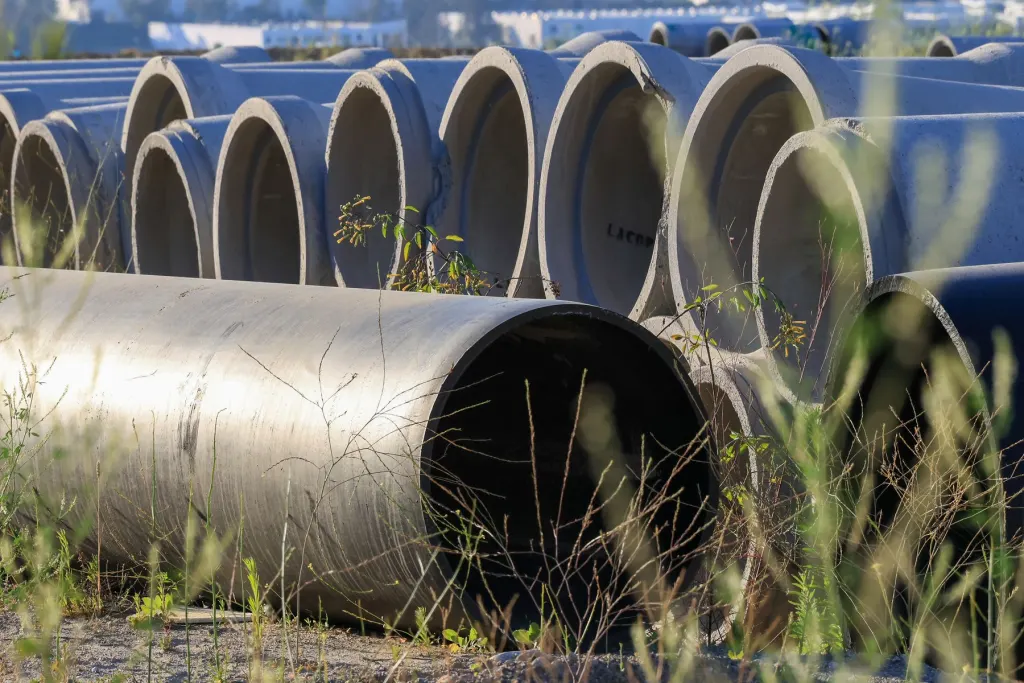
What a soakaway is
A soakaway is a pit in the ground, filled with stone or a plastic crate, that takes rainwater from a downpipe or a paved area. The water collects in the pit and then soaks into the soil around it.
It is meant for rainwater only, not for toilet or kitchen waste.
How it works
Rain runs from the roof through the gutter and downpipe into a pipe underground, then into the pit. The stone or crate leaves space for the water to wait until the soil takes it in.
It does the job in ground that lets water through, such as sandy or gravelly soil. Heavy clay drains slowly.
Where one can go
Approved Document H, the official guidance on the Building Regulations for drainage, says soakaways should not be built within 5 metres of a building or road, or in areas of unstable land. It also says they should not be built where the water table reaches the bottom of the device at any time of year.
A percolation test, which checks how fast water drains from a test hole, is often used before one is built. Cost guides put it at £150 to £400.
Signs of a failing soakaway
Look for water pooling in the garden after rain, a gurgling downpipe, or damp near the house. These can mean the pit has silted up or the soil has stopped taking water.
Cost guides put clearing a silted soakaway at £100 to £400. A small soakaway for one downpipe is put at £600 to £1,500.
Who to ask
A drain specialist can inspect a soakaway, jet the pipes that run to it, or dig a replacement. Ask about the soil and the position before you agree a price.
Common questions
Can a soakaway take waste water from the house?
No. A soakaway is for rainwater. Foul water from toilets and sinks goes to a mains sewer or a private system such as a septic tank.
How can I tell if my soakaway is full?
Pooling water, slow drains from the downpipes and wet ground nearby can all be signs. A drain specialist can check.
Do I need approval to build one?
Ask your local council's building control before you dig. In England, Approved Document H, the official guidance on the Building Regulations for drainage, says soakaways should not be built within 5 metres of a building or a road.
Where to go from here
- Soakaways
- Soakaways cost
- Land drainage
- Land drainage cost
- Downpipes
- Downpipes cost
- Drain jetting
- Drain jetting cost