Commercial drainage
Interceptors and grease traps
Interceptors and grease traps are units that catch fat, oil or fuel before it reaches the drain. They need emptying and cleaning from time to time, and this is work for a drain specialist with a tanker or suction unit. Prices depend on the size of the unit and how often it is serviced, so firms usually quote for each site.
Post your drain job to Premium membersTell us about your job once. Premium drain specialists who cover your area can then contact you.Describe your job
What this covers
Typical price. Priced by the job after a look at the site.
What the job covers
- Emptying and cleaning grease traps
- Emptying petrol and oil interceptors
- Taking away the fat, oil and sludge
- Checking the pipes into and out of the unit
- Looking over the unit for cracks and wear
What is involved
A grease trap sits on the drain from a kitchen. Waste water carries fat and cooking oil, and the trap holds it back so that it does not harden in the pipes further along. In England, Thames Water says cooking oil does not dissolve even when cool, because it floats on water and clings to pipe walls, and that hot water and washing-up liquid do not deal with it for good. A petrol or oil interceptor does a similar job at garages, forecourts, car parks and yards, where fuel, oil and washing water can run towards a drain. It lets the water pass and holds back the oil.
A drain specialist usually arrives with a tanker or a suction unit, which is a vehicle with a powerful pump and a tank. They open the cover, pump out the fat, oil, water and sludge, wash down the inside of the chamber and check the pipes into and out of the unit. The waste is taken away in the vehicle. Because this waste has to be handled and disposed of properly, it is sensible to ask where it goes and to ask for paperwork showing it was collected.
The price depends on the size of the unit, how full it is, and how easy it is to reach. A cover under a parked car or inside a busy kitchen takes longer to get at than one in an open yard. Many businesses arrange regular visits so the unit is emptied before it overflows or starts to smell, and some firms also offer a camera check of the pipes running to it. Prices differ between firms, so ask for a written quote that names the size of the unit and says what is included.
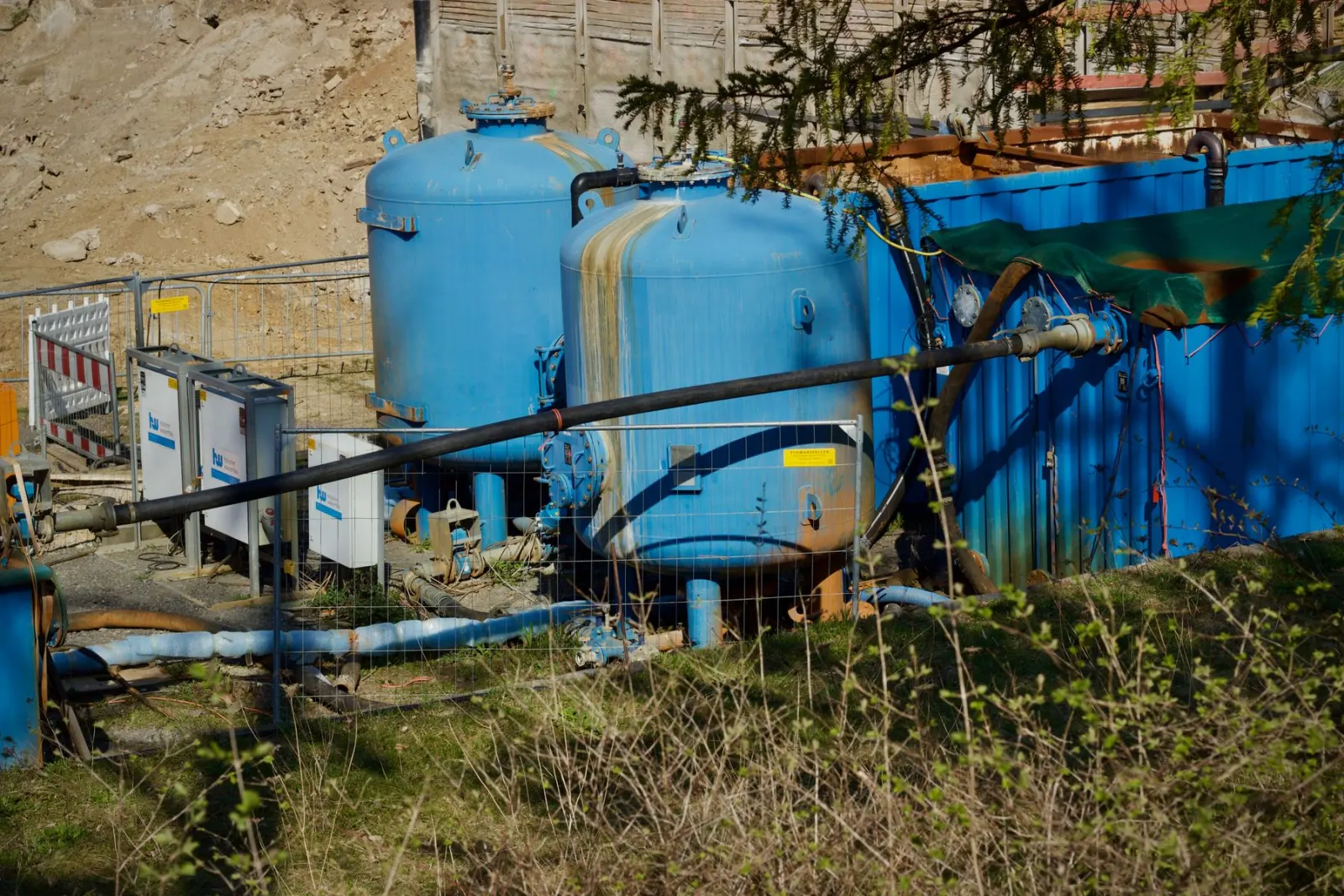
Emptying and cleaning grease traps, one of the jobs a drain specialist is hired for.
Choosing someone for the job
Ask what size the unit is and whether the quote covers that size. Ask how the waste is taken away and whether you will receive paperwork showing it was collected. Ask whether the price is for a single visit or a regular arrangement, and whether the pipes into and out of the unit are checked. Ask for a written quote.
Worth reading first:
Related jobs:
Common questions
What is a grease trap?
A grease trap is a unit on the drain from a kitchen that catches fat and cooking oil before it reaches the pipes. Without one, fat can cool and cling to the inside of the drain and cause blockages. It needs emptying and cleaning from time to time.
What is a petrol interceptor?
A petrol interceptor, also called a fuel or oil interceptor, is a chamber that holds back fuel and oil from water running off a forecourt, garage or yard. The water carries on to the drain and the oil is held in the unit. The unit needs emptying by a specialist with a tanker or suction unit.
Why does a grease trap need cleaning?
Fat and sludge build up inside the unit until it is full. A full trap can smell and can let fat through to the drain, where it can cause a blockage. In England, Thames Water says fat and oil cling to pipe walls rather than dissolving, which is why it helps to catch and remove them.
How often should an interceptor or grease trap be emptied?
It depends on the size of the unit and how much goes through it. A busy kitchen fills a trap faster than a quiet one. Check the maker's instructions if you have them, and ask your drain specialist what they suggest for your site.